Quick take
What makes a camping festival actually good
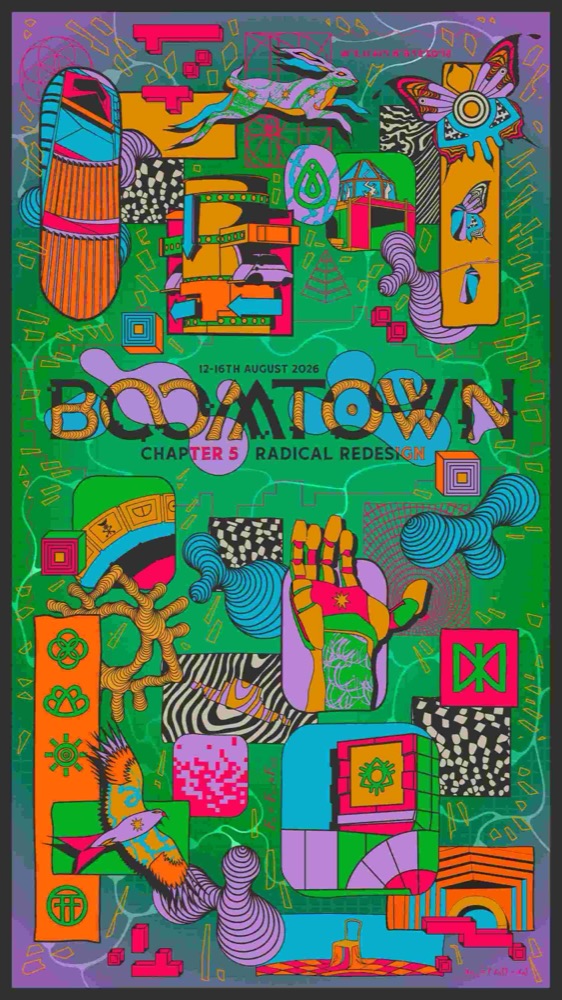
The difference between a great camping festival and a miserable one is rarely the lineup — it is the site. Look for three things before you book: how far the campsites are from the arena (Boomtown's hill is legendary for the wrong reasons), whether the festival caps capacity below what the site can technically hold (Green Man does, and it shows), and what the toilet-to-camper ratio looks like by Sunday.
Quiet camping fields are now standard at every festival worth its salt — use them. The £0 upgrade of camping an extra five minutes from the main drag buys you actual sleep, which by day three is worth more than any headliner.
Glamping, live-in vehicles and the middle ground
Most festivals on this list sell pre-pitched options — bell tents, pods and proper beds — that remove the worst hour of any festival (pitching at midnight) and the second worst (packing wet canvas on Monday). They sell out earlier than regular tickets, so decide at booking time, not in May.
Live-in vehicle passes are the budget version of glamping if you already own the vehicle: you get a real mattress, a kettle and somewhere dry. Check the pass price though — some festivals charge nearly as much for the van as for the human inside it.
When to book what
Camping festivals reward early commitment. Early-bird tiers typically open the autumn before and save 15-25%; payment plans (most majors now run them) spread the cost over winter for nothing extra. Glamping and campervan passes go next, usually sold out by spring. The only thing worth leaving late is the weather forecast — and our weather odds pages cover the historical version of that for 73 festivals and counting.
Where to look next
These are the strongest internal matches for this guide topic right now.
Keep exploring
FAQ
Which UK festivals are best for camping?
That depends on whether you want scale or comfort. Glastonbury and Boomtown are major camping adventures, while Green Man, Shambala and Lost Village are better if you want a more contained experience.